
Market volatility is inevitable, but how you respond to it is within your control. In last week’s Market Update, we put recent market volatility into perspective. This week, we’re focusing on how to navigate it. Here’s additional insight from Capital Group:
“You wouldn’t be human if you didn’t fear loss. Nobel Prize-winning psychologist Daniel Kahneman demonstrated this with his loss aversion theory, showing that people feel the pain of losing money more than they enjoy gains. The natural instinct is to flee the market when it starts to plummet, just as greed prompts people to jump back in when stocks are skyrocketing. Both can have negative impacts.
We don’t know what the rest of this year will bring. But smart investing can overcome the power of emotion by focusing on relevant research, solid data and proven strategies. Here are seven principles that can help fight the urge to make emotional decisions in times of market turmoil. shows the market has always recovered from previous declines. Here are five insights that can help you regain confidence and stay invested for the long haul.
1. Market declines are part of investing
Over long periods, stocks have tended to move steadily higher, but history tells us that stock market declines are an inevitable part of investing. The good news is that corrections (defined as a 10% or more decline), bear markets (an extended 20% or more decline) and other challenging patches haven’t lasted forever.
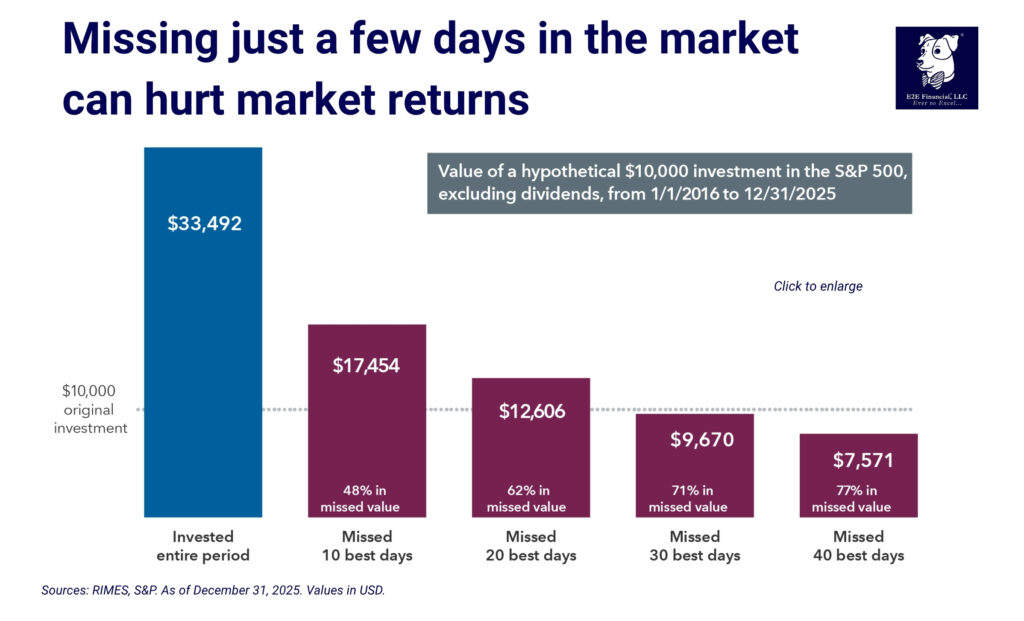
2. Time in the market matters, not market timing
No one can accurately predict short-term market moves, and investors who sit on the sidelines risk losing out on periods of meaningful price appreciation that follow downturns.
3. Emotional investing can be hazardous
Emotional reactions to market events are perfectly normal. Investors should expect to feel nervous when markets decline, but it’s the actions taken during such periods that can mean the difference between investment success and shortfall.
4. Make a plan and stick to it
Creating and adhering to a thoughtfully constructed investment plan is another way to avoid making short-sighted investment decisions — particularly when markets move lower. The plan should consider a number of factors, including risk tolerance and short- and long-term goals.
5. Diversification matters
A diversified portfolio doesn’t guarantee profits or provide assurances that investments won’t decrease in value, but it does help lower risk. By spreading investments across a variety of asset classes, investors can buffer the effects of volatility on their portfolios. Overall returns won’t reach the highest highs of any single investment — but they won’t hit the lowest lows of any single investment either.
6. Fixed income can help bring balance
Stocks are important building blocks of a diversified portfolio, but bonds can provide an essential counterbalance. That’s because bonds typically have a lower correlation to the stock market, meaning that they have tended to move in the opposite direction to equities — in other words, bonds have tended to zig when the stock market zagged.
7. The market tends to reward long-term investors
Is it reasonable to expect 30% returns every year? Of course not. And if stocks have moved lower in recent weeks, you shouldn’t expect that to be the start of a long-term trend, either. Behavioral economics tells us recent events carry an outsized influence on our perceptions and decisions.
It’s natural for emotions to bubble up during periods of volatility. Those investors who can tune out the noise and focus on their long-term goals are better positioned to plot out a wise investment strategy.”
Volatility is part of the journey. But having a clear plan makes all the difference. If you have questions about your current strategy, we’re always here to give you a second opinion. Schedule your free review.
For full insight on how to handle market declines, click here.
And as always, your weekly market update is here.